Where the Practice Acts Crack: Five Statehouses Poised to Rewrite Veterinary Law in 2026
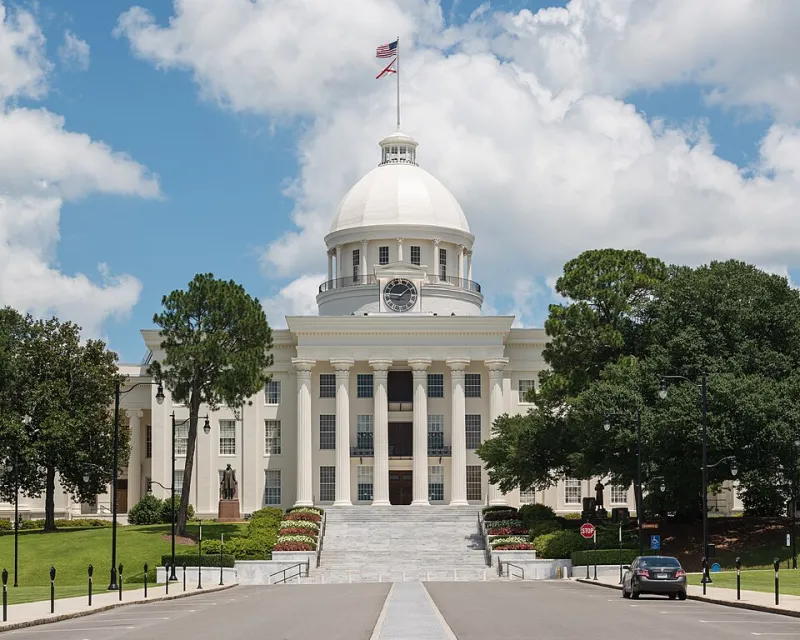
Photo: DXR, CC BY-SA 4.0, via Wikimedia Commons
State legislatures do most of the work that defines veterinary practice, and they do it on their own calendars, in their own committee rooms, with their own cast of players. For advocates trying to allocate limited time and money, the question is never whether scope battles will occur — it is where. Based on interim study charges, sunset review schedules, and bills carried over from prior sessions, five statehouses stand out for 2026.
1. Texas: The Sunset Machine Grinds On
Texas reviews its licensing boards on a sunset cycle, and the State Board of Veterinary Medical Examiners faces periodic legislative scrutiny that historically opens the door to structural amendments. Telemedicine provisions that failed in prior sessions have been reintroduced in various forms, and the House Licensing and Administrative Procedures Committee remains the decisive venue. Practitioners should track interim committee charges released between sessions — the language of those charges telegraphs which scope questions will reach the floor. The window for input runs through the bill-filing period beginning in late 2025; testimony opportunities compress dramatically once session convenes in January.
2. Colorado: The Policy Laboratory of Scope Expansion
Colorado has repeatedly served as the proving ground for allied-professional scope models, including veterinary technician specialist frameworks and CVPA-style proposals modeled on physician assistant structures. The legislature's affinity for workforce innovation, combined with active stakeholder coalitions on both sides, makes Denver the most likely site for the next major scope expansion vote. The Senate Agriculture and Natural Resources Committee will likely hold jurisdiction again. Advocates on every side should begin relationship-building with committee members now; Colorado's short session leaves little time for first introductions after January.
3. Florida: Telehealth Meets Consumer Access Politics
Florida's consumer-access political currents, combined with a large and growing companion animal population, have kept veterinary telemedicine liberalization on the legislative agenda for several cycles. The Sunshine State's practice act is due for comprehensive review, and the House Healthcare Regulation Subcommittee has shown interest in aligning veterinary rules with the state's broader telehealth posture. The practical window: comment periods on board rule revisions occur year-round, and the legislature convenes in early January — among the earliest start dates in the country. Late engagement in Tallahassee is effectively no engagement.
4. New York: The Perennial Recompetition
New York's veterinary practice act is among the oldest in the nation, and proposals to modernize it — including technician scope provisions and telemedicine standards — resurface each session with growing legislative sponsorship. The Assembly Higher Education Committee and Senate Higher Education Committee share jurisdiction, and the two-year legislative cycle means bills introduced in 2025 remain alive into 2026. That carryover structure gives advocates a rare second chance: testimony filed last session establishes a record that can be built upon, not repeated.
5. Kansas: Where Food Animal Practice Meets the Practice Act
Rural veterinary access pressures have pushed livestock workforce provisions into Kansas's practice act conversations, including proposals tied to loan repayment and delegated tasks for non-veterinarians in production settings. The Senate Agriculture Committee, chaired by members with direct livestock industry ties, will be the fulcrum. Because agricultural committees in Kansas operate with unusual continuity, a single season of consistent relationship-building can yield durable influence.
The Common Thread: Calendars Reward the Early
Across all five states, the pattern is identical — the decisive work happens in interim committees, board rulemaking dockets, and bill-drafting conversations months before any public hearing is scheduled. Advocacy organizations that show up at the study-committee stage shape the bill; those that show up at the hearing stage react to it. VetPAC will maintain updated tracking on each of these statehouses as sessions convene, and we encourage members with licensure in any of these states to verify their registration status and committee contacts before the gavel falls.