Allies in the Aisle: Activating the Congressional Animal Protection Caucus Before the Farm Bill Window Closes
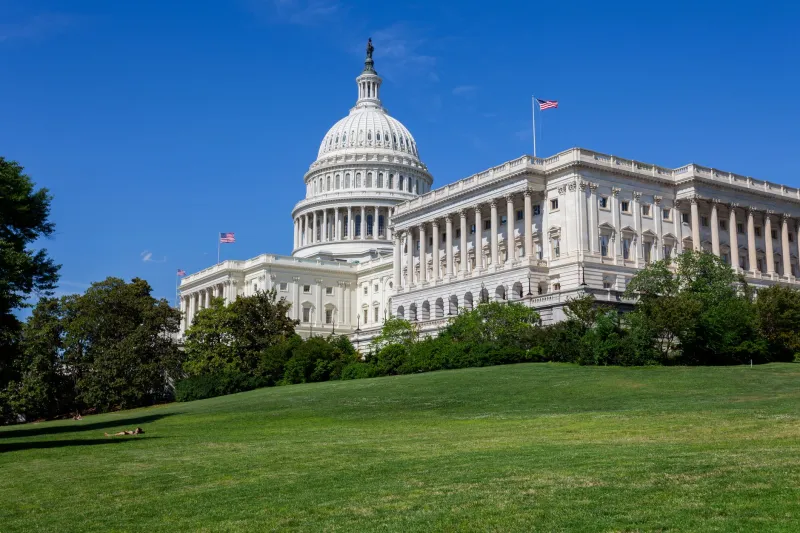
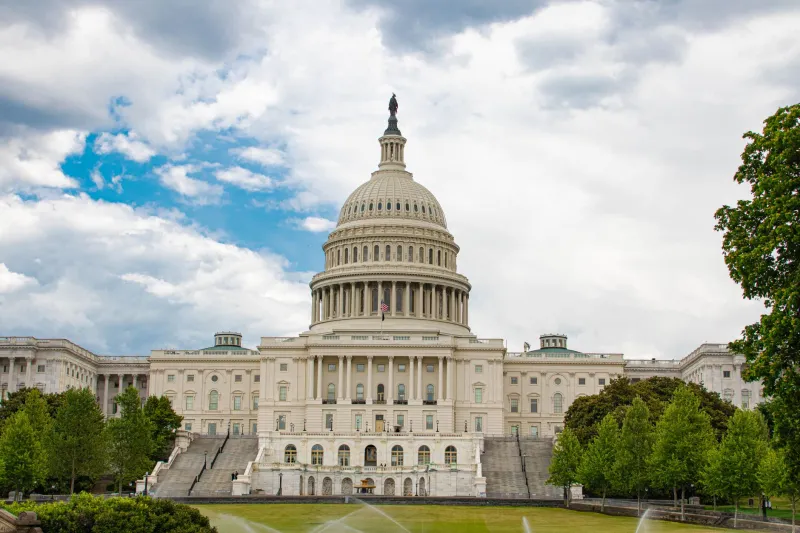
For most veterinary professionals, the phrase "congressional caucus" conjures images of closed-door party strategy sessions — something far removed from the daily realities of clinical practice. The truth is considerably more useful. A bipartisan Congressional Animal Protection Caucus has operated on Capitol Hill for years, comprising dozens of House and Senate members who have already signaled receptivity to animal welfare and animal health issues. These legislators are not strangers to the cause. They are, in many cases, waiting to be engaged.
With Farm Bill reauthorization looming as one of the most consequential agricultural and rural health legislative events of the decade, the window for building those relationships is narrowing. Veterinary professionals who act now — before markup sessions begin, before budget allocations are locked, before the political calculus hardens — will be positioned to shape outcomes rather than react to them.
Understanding What the Caucus Actually Represents
Congressional caucuses are informal legislative member organizations. They carry no formal procedural authority, but they carry something arguably more valuable: a pre-sorted list of members who have chosen to associate themselves with a cause. Joining a caucus requires a deliberate act. It signals to constituents, colleagues, and advocacy communities that a legislator considers the subject worth their public identification.
The Congressional Animal Protection Caucus, co-chaired on a rotating basis by members from both parties, focuses broadly on animal welfare legislation. Its membership has historically included representatives from rural agricultural districts as well as urban constituencies — a coalition that reflects the breadth of American concern for animals across very different political and economic contexts. For veterinary advocates, this breadth is an asset. Animal health is not a partisan issue, and the caucus composition reflects that.
The full membership list is publicly available through congressional directories and the Humane Society Legislative Fund's annual reporting. Cross-referencing that list against your state's congressional delegation takes less than thirty minutes and produces an immediate, actionable map of your most promising legislative contacts.
Identifying Your Caucus Members — and Why Geography Is Your Greatest Advantage
Federal advocacy often feels abstract until it becomes local. A senator from your state who sits on the caucus is not a distant figure — they are your constituent representative, and constituent contact carries disproportionate weight in their office's calculus.
Begin by pulling your full congressional delegation: both U.S. senators and your House representative based on your practice address. Then check whether any of those individuals appear on the caucus membership roster. If they do, you have a direct and legitimized opening. If they do not, you have identified a relationship-building opportunity — reaching out to encourage membership is itself a form of meaningful advocacy.
State veterinary medical associations should conduct this mapping exercise at the organizational level, overlaying caucus membership against the practice locations of their membership base. This produces a priority matrix: caucus members with the highest concentrations of veterinarian constituents become the first targets for coordinated outreach, clinic visits, and formal meeting requests.
Initiating Contact Before the Legislative Moment Arrives
One of the most common mistakes in veterinary advocacy is timing outreach to crisis. Practitioners call their representative's office when a harmful provision has already advanced, or when a funding cut has already been proposed. By that point, the relationship infrastructure needed to generate rapid, credible response simply does not exist.
Caucus members are most accessible — and most persuadable — during the quiet periods between major legislative deadlines. Scheduling a district office visit six to twelve months before Farm Bill markup begins accomplishes several things simultaneously. It introduces your practice or association to the member's staff, who serve as the actual gatekeepers and policy advisors for most constituent issues. It establishes your credibility as a local professional with relevant expertise. And it creates a relationship file that staff can reference when animal health provisions come up in committee.
When requesting a meeting, be specific about your purpose. A letter or email that reads, "We would welcome the opportunity to brief Congresswoman [Name]'s office on veterinary workforce challenges relevant to the upcoming Farm Bill reauthorization" is far more likely to receive a response than a general request to discuss animal health. Staff respond to clarity and relevance.
Translating Caucus Membership into Legislative Action
Identifying and meeting a caucus member is not the finish line — it is the starting point for a longer cultivation strategy. The goal is to move a legislator from passive affiliation to active championship. That transition requires repeated, substantive engagement.
Consider what your state association or practice can offer that a congressional office genuinely values: local data on veterinary workforce shortages, documented examples of how USDA rural development funding has affected animal health access in underserved communities, or constituent stories that illustrate the human consequences of inadequate animal health infrastructure. Caucus members who can speak to these issues with specific local examples — drawn from conversations with practitioners in their districts — become far more effective advocates on the floor and in committee.
The Farm Bill, in particular, contains provisions directly relevant to veterinary medicine: the Veterinary Medicine Loan Repayment Program, funding for the National Veterinary Accreditation Program, rural practice incentives, and animal disease preparedness appropriations, among others. Briefing your caucus member's office on these specific line items — and explaining their practical significance — transforms a general ally into an informed champion capable of defending those provisions when they face opposition during markup.
Coordinating State Association Efforts for Maximum Impact
Individual practitioners engaging their representatives is valuable. Coordinated state association engagement is transformative. When a congressional office receives constituent contact from multiple veterinarians across a district — all reinforcing the same substantive message about Farm Bill priorities — it signals organized, credible professional consensus rather than isolated individual concern.
State associations should designate legislative liaisons responsible for maintaining ongoing contact with caucus members in their delegation. These liaisons can track committee assignments, monitor bill cosponsorship activity, and alert members when a caucus ally needs constituent reinforcement during a critical vote. The infrastructure need not be elaborate — a shared contact database, a quarterly communication calendar, and a clear message framework are sufficient to begin.
National coordination through organizations like VetPAC amplifies these state-level efforts by providing research support, model talking points, and connections to federal-level advocacy networks that individual associations may lack the capacity to maintain independently.
The Window Is Open — For Now
Farm Bill reauthorization does not wait for advocates to feel ready. The legislative timeline advances according to committee schedules and political priorities that operate independently of whether veterinary voices are present in the room. The Congressional Animal Protection Caucus represents a rare structural advantage: a pre-identified group of legislators who have already chosen to be open to this conversation.
The work of veterinary advocacy is not confined to election cycles or crisis moments. It is built, relationship by relationship, in district offices and constituent meetings and briefing documents that arrive before anyone is asking for them. The practitioners and associations who begin that work today will be the ones with credible access when the Farm Bill vote arrives — and that access is precisely what transforms good policy ideas into enacted law.