The Exclusion Clause in the Exam Room: How Pet Insurance Rules Are Reshaping Clinical Decisions
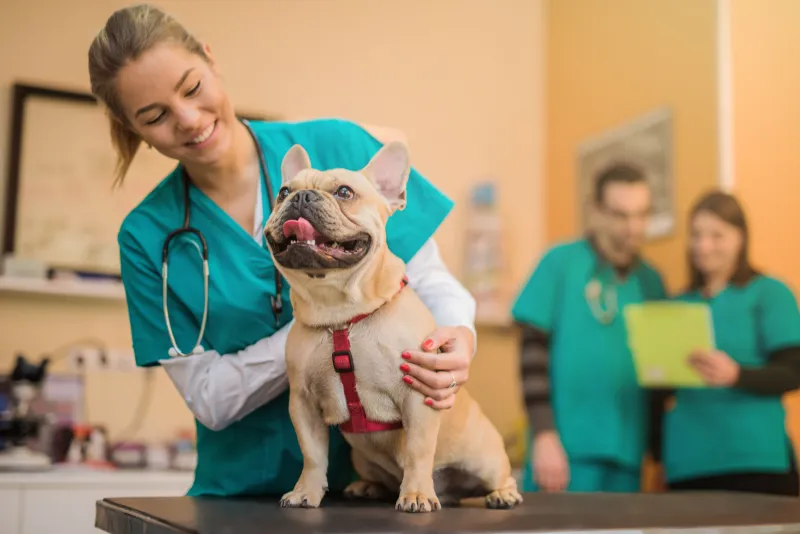
Photo: veterinarian discussing pet insurance estimate with client in exam room, via www.chartercollege.edu
Pet insurance has moved from a niche product to a routine part of the exam-room conversation. Owners increasingly arrive with a policy in hand and a question that did not exist in the same way a generation ago: will this be covered? The answer can determine whether a diagnostic is pursued, a surgery is scheduled, or a chronic condition is managed aggressively. That is not a clinical judgment. It is a coverage judgment—and it is increasingly made before the veterinarian has a chance to practice.
A Promise in the Brochure, a Limitation in the Policy
Pet insurance is marketed as a way to make care affordable. In many cases, it does. Reimbursement can help owners say yes to procedures they otherwise could not afford. But the product's fine print can also ration care in ways that are difficult for owners and veterinarians to see in advance.
Preexisting-condition exclusions are the most consequential. A policy may exclude any condition that showed signs before coverage began or during a waiting period. The definition of preexisting can be broad: a limp noted in a previous visit, a gastrointestinal episode, or a skin condition that was never formally diagnosed. Bilateral-condition clauses can exclude the second knee or hip after the first is treated. Waiting periods can delay coverage for accidents, illnesses, or orthopedic conditions. Reimbursement schedules based on usual and customary charges may leave owners with a larger bill than they expected.
The National Association of Insurance Commissioners adopted a pet insurance model act in 2022, and several states have enacted variations. The model encourages clearer disclosure, defined waiting periods, and plain-language explanations. But adoption is uneven, and enforcement varies. In many states, the owner is left to interpret a policy after the veterinary bill has already been incurred.
The Exam Room Conversation Changes
Veterinarians describe a familiar pattern. An owner asks whether a recommended diagnostic is covered. The veterinarian does not know, because coverage depends on policy language, claim history, and the insurer's adjudication. The owner delays. The condition worsens. By the time care is delivered, the treatment is more expensive and the coverage question is more complicated.
Insurance can improve access, and it would be a mistake to treat the entire product as a problem. But when coverage uncertainty enters the exam room, informed consent becomes harder. The veterinarian must explain medical options while the owner weighs financial exposure that neither party can calculate with confidence. Clinical authority is not formally transferred to the insurer, but it can be informally diluted.
Who Regulates What
State insurance departments regulate pet insurance policies. State veterinary boards regulate the practice of veterinary medicine. No one regulates the intersection. That is the gap.
A coverage decision is not the same as a medical necessity decision, but the two can become entangled. An insurer may deny a claim because a condition is deemed preexisting. The veterinarian may believe the condition is new or was not diagnosable at the time of enrollment. The owner is caught between two professional judgments, only one of which has a formal appeals process.
Consumer protection law offers some tools. States can require clear summaries of coverage, standardized definitions, and timely claim decisions. They can require insurers to disclose waiting periods prominently and to explain exclusions in plain language. They can create complaint portals and appeal rights. What they have not generally done is address how coverage rules affect clinical decision-making.
The Clinical Authority Question
VetPAC's view is that insurers may define what they cover, but they should not be allowed to disguise coverage decisions as clinical judgments. If a claim is denied because a condition is preexisting, the denial should say so clearly and give the owner and veterinarian a meaningful opportunity to respond. If an insurer uses a veterinary reviewer, that reviewer should be licensed and familiar with the species and condition at issue.
There is also a transparency problem in the other direction. Veterinarians should not promise coverage, and owners should not assume it. Practices can provide itemized estimates and explain that reimbursement depends on the policy. But that shifts the burden to the exam room, where time is short and the owner is worried about the animal.
A 2026 Consumer-Protection Agenda
State legislatures considering pet insurance bills in 2026 should focus on a few practical reforms. First, adopt the NAIC model act in full, including clear definitions of preexisting conditions, waiting periods, and bilateral conditions. Second, require insurers to provide a one-page coverage summary before enrollment. Third, require prompt written explanations for denials and a clear internal appeal process. Fourth, require licensed veterinary review of claims that turn on medical necessity. Fifth, collect complaint data so regulators can see where coverage rules are creating access problems.
None of these proposals would tell insurers what to cover. They would simply make the rules visible before an owner is in an exam room with a sick animal and a difficult decision.
What Veterinarians Can Do
Veterinarians can help by documenting conversations, providing written estimates, and encouraging owners to ask insurers about exclusions before a crisis. They can also share their experiences with state veterinary associations and insurance regulators. The exam room is where the fine print becomes real. Policymakers should hear what that looks like.