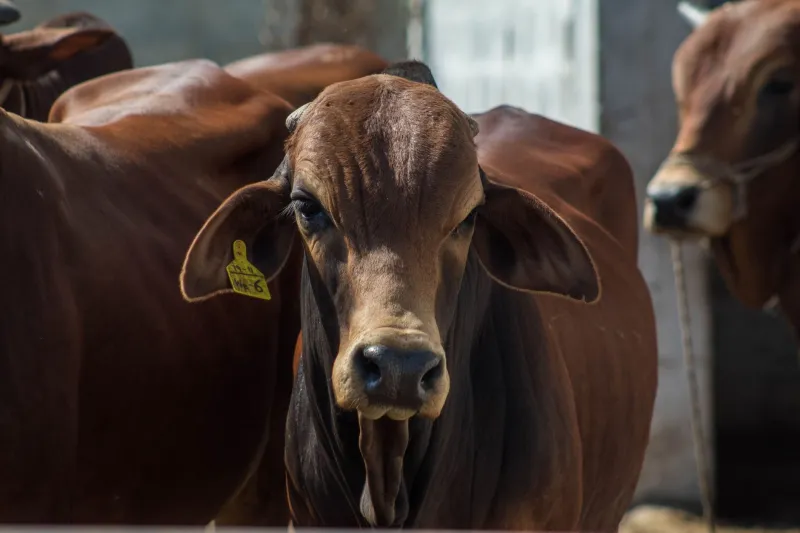
When Doubt Becomes Danger: The Veterinary Profession's Role in Defending Animal Immunization Against a Misinformation Epidemic
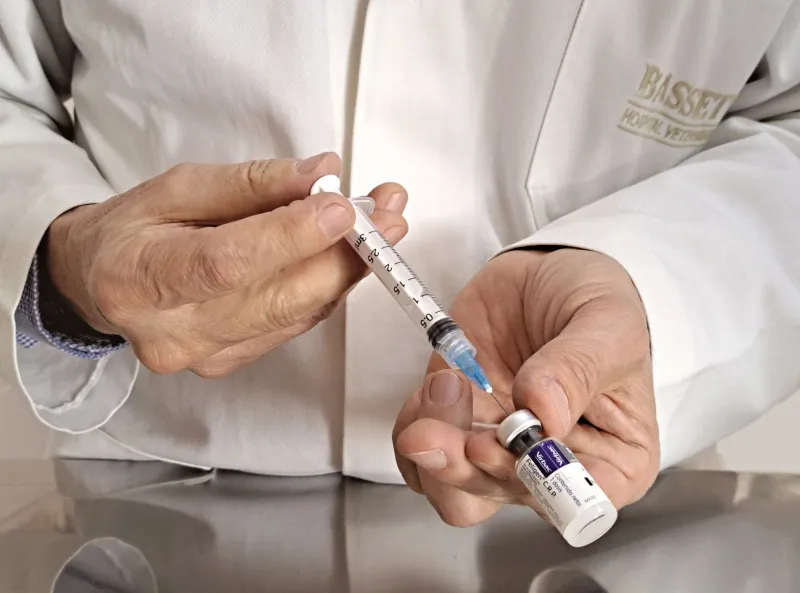
When Doubt Becomes Danger: The Veterinary Profession's Role in Defending Animal Immunization Against a Misinformation Epidemic
For most of American veterinary history, the clinical conversation about vaccines was relatively straightforward. Evidence was presented, schedules were followed, and clients largely complied. That era is ending. Across the country — in urban pet clinics, suburban boarding facilities, and rural livestock operations alike — veterinarians are encountering a new and deeply consequential phenomenon: organized, ideologically motivated resistance to animal immunization.
This is not merely a client relations challenge. It is a biosecurity crisis in slow motion, and the political and regulatory architecture designed to protect animal and public health has not kept pace.
The Misinformation Pipeline Has Reached the Barn and the Exam Room
The dynamics driving human vaccine hesitancy have migrated, largely intact, into the animal health space. Social media ecosystems that amplify unverified claims about human vaccines now circulate parallel narratives about canine, feline, and livestock immunizations. Claims that routine rabies vaccines cause chronic illness, that core feline vaccines are linked to behavioral changes, or that poultry immunization programs are driven by corporate profit rather than disease prevention are not difficult to find online. They are, in many cases, algorithmically promoted.
The consequences are not hypothetical. Rabies remains a fatal zoonotic disease with no post-exposure cure once symptoms appear in humans. Canine influenza, leptospirosis, and Bordetella represent ongoing transmission risks in densely populated urban environments. In food animal settings, Newcastle disease and highly pathogenic avian influenza — both of which carry catastrophic economic and public health implications — depend heavily on flock-level immunization coverage to contain spread.
When vaccination rates decline below herd immunity thresholds, the risk does not stay contained within the animal population. It migrates.
The Regulatory Gap That Leaves Veterinarians Exposed
Despite the magnitude of this threat, veterinarians operate without a coherent federal policy framework for addressing vaccine misinformation in animal health contexts. The Centers for Disease Control and Prevention maintains robust public communication infrastructure around human vaccine confidence. The USDA's Animal and Plant Health Inspection Service (APHIS) manages disease surveillance and certain vaccination program mandates for specific agricultural contexts, but it does not operate a sustained, well-funded public education campaign targeting animal vaccine hesitancy at the community level.
State veterinary practice acts govern the clinical relationship between veterinarian and client, but they were not designed as tools for combating coordinated misinformation campaigns. Veterinarians who contradict a client's pseudoscientific beliefs face the real possibility of losing that client entirely — and with them, any remaining influence over the immunization decisions affecting that animal and, potentially, that household.
Meanwhile, the Federal Trade Commission's authority over deceptive health claims has been applied inconsistently to animal health products and online misinformation, leaving a regulatory vacuum that bad actors have been happy to occupy.
Zoonotic Disease as a National Security Calculation
Policymakers and national security analysts have increasingly recognized that pandemic preparedness is inseparable from animal health surveillance. The COVID-19 experience accelerated this recognition, but the infrastructure investments it prompted have been concentrated almost entirely in the human health sector.
The One Health framework — which acknowledges the interdependence of human, animal, and environmental health — has gained rhetorical traction in federal policy discussions. It has not yet translated into the kind of durable, well-resourced institutional commitment that would give veterinarians meaningful tools to address vaccine confidence at scale.
Consider what a serious national security approach to animal vaccine hesitancy would require. It would demand real-time surveillance of immunization coverage rates across companion animal and agricultural populations, not just disease outbreak reporting. It would require coordinated federal messaging campaigns that elevate the veterinarian as a trusted scientific authority in the same way that public health campaigns have sought to position the family physician. And it would necessitate legal frameworks that hold platforms and content creators accountable when animal health misinformation crosses into demonstrably dangerous territory.
None of these systems currently exist in any meaningful form.
What the Veterinary Profession Must Demand
The profession cannot wait for federal agencies to independently arrive at the conclusion that animal vaccine confidence is a critical infrastructure issue. Veterinary advocacy organizations, state associations, and individual practitioners must make this case actively, loudly, and with the political sophistication the moment demands.
Several specific policy interventions deserve immediate attention.
Federal investment in One Health communication infrastructure. Congress should direct USDA and APHIS, in coordination with the CDC, to fund a sustained national campaign that communicates the public health value of animal immunization to general audiences. This campaign should be developed with veterinary input and should specifically address the misinformation narratives currently circulating in online communities.
Expanded USDA authority and resources for vaccine confidence monitoring. APHIS currently tracks disease outbreaks but does not systematically monitor immunization coverage trends in companion animal populations. Closing this data gap is essential for understanding where hesitancy is most acute and where outbreaks are most likely to emerge.
Liability protections for veterinarians communicating evidence-based vaccine guidance. In an environment where misinformation is weaponized and practitioners face social and reputational pressure from organized skeptic communities, veterinarians need clear legal standing to communicate vaccine recommendations without fear of harassment campaigns or frivolous complaints to state licensing boards.
Platform accountability standards for animal health misinformation. Congress and the FTC should examine whether existing consumer protection frameworks can be extended to cover demonstrably false claims about veterinary vaccines, particularly when those claims are monetized through product sales or subscription-based content.
The Veterinarian as the Last Line of Defense
There is an uncomfortable truth embedded in this conversation. In the absence of a robust federal response, the veterinarian sitting across the exam table from a hesitant client is, at this moment, the most important node in the animal vaccine confidence network. That is an extraordinary burden to place on a single clinical encounter.
VetPAC believes that burden must be shared — and that sharing it requires policy architecture that does not yet exist. Building that architecture is an advocacy challenge as much as a scientific one. It demands that the veterinary profession engage legislators, regulators, and public health officials with the same urgency it would bring to an active outbreak.
Vaccine hesitancy in animal populations is not a soft issue or a communication nuance. It is a measurable, growing threat to the disease containment systems that protect American families, American agriculture, and American biosecurity. The profession has both the standing and the obligation to say so — clearly, consistently, and at every level of government where decisions about animal and public health are made.
The playbook being used against animal immunization is sophisticated and well-funded. The response must be equally serious.