The Visa Queue Is a Clinical Staffing Plan: Immigration Policy and the 2026 Veterinary Workforce
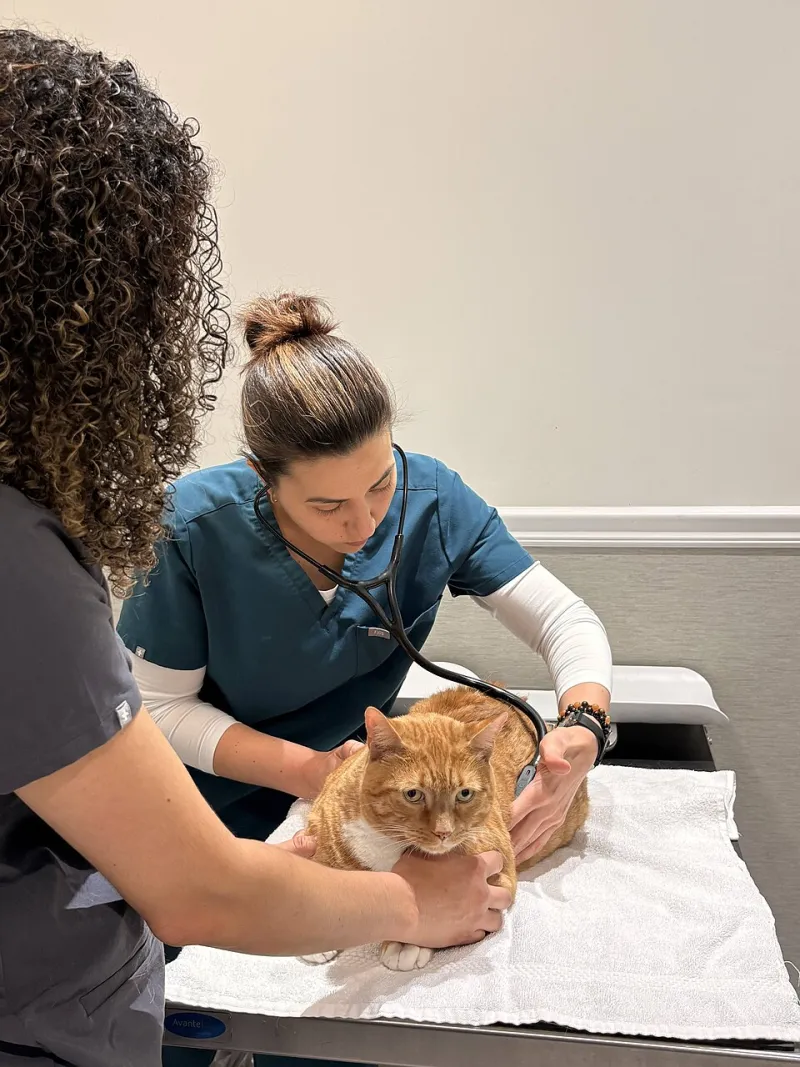
Photo: Veterinarian Pet Alliance, CC BY 4.0, via Wikimedia Commons
Emergency clinics in the United States do not have a hiring problem that can be solved by overtime alone. Rural mixed-animal practices do not have a retention problem that can be solved by a signing bonus alone. The workforce shortage is structural, and it is visible at every point in the pipeline: too few seats in accredited schools, too few clinical training slots, too few experienced practitioners willing to work in underserved areas, and too many barriers for qualified foreign-trained veterinarians who want to fill the gap.
Immigration policy is not usually discussed in veterinary workforce terms. It should be. As of 2026, the pathway from a foreign veterinary school to a U.S. emergency clinic runs through accreditation, licensure, and immigration—three systems that rarely coordinate. The result is a queue that keeps qualified professionals out of practice while clinics turn away cases.
The Shortage Is Not Abstract
The shortage is easiest to see in emergency and critical care, where overnight shifts go unfilled and hospitals limit intake. It is also acute in rural food animal practice, where a single retirement can leave a county without a practicing veterinarian. The Veterinary Medicine Loan Repayment Program helps, but it is competitive and limited. Loan repayment can attract a veterinarian to a shortage area, but it cannot create one.
Foreign-trained veterinarians already fill part of the gap. They work in rural practices, research institutions, industry, and emergency hospitals. But the pathway is expensive, slow, and uncertain. For a profession that prides itself on science and standards, the credentialing system is necessary. The problem is that the system is not designed for workforce mobility.
Where the Pipeline Bends
A foreign-trained veterinarian generally must either graduate from an AVMA Council on Education-accredited program or complete the Educational Commission for Foreign Veterinary Graduates program or the Program for the Assessment of Veterinary Education Equivalence. Those pathways include English proficiency, clinical skills assessment, and the North American Veterinary Licensing Examination. State boards then impose their own licensure requirements.
Each step has a purpose. Together, they create a long and costly process. A qualified veterinarian from another country may spend years and tens of thousands of dollars before becoming eligible to practice in the United States. During that time, the workforce shortage does not pause.
The Visa Bottlenecks
The immigration system adds another layer. Many employers rely on the H-1B visa, which is subject to an annual cap and a lottery. A clinic may identify a qualified candidate, pay sponsorship costs, and still lose the candidate because the petition was not selected. Other pathways exist—J-1 exchange, O-1 for individuals with extraordinary ability, and EB-2 national interest waiver—but they are narrow, expensive, or backlogged.
There is no dedicated veterinary workforce visa. Veterinarians are not currently treated as a priority shortage occupation in the same way as some other health professions. Congress should direct the Department of Labor to review whether veterinary medicine should be added to Schedule A or otherwise given expedited treatment for shortage areas. A rural veterinary visa pilot, tied to service in underserved communities, would be a targeted alternative.
Licensure Is a Second Border
Even after immigration is resolved, state licensure can delay practice. Some states accept the ECFVG or PAVE pathways without additional clinical requirements. Others impose extra examinations or supervised practice. Interstate licensure compacts remain limited, so a veterinarian licensed in one state may not be able to fill a shift in a neighboring state without duplicative paperwork.
State boards have a legitimate role in protecting the public. But the current patchwork makes it harder for foreign-trained veterinarians to move to where they are needed. States should review their licensure pathways for unnecessary barriers and consider temporary or conditional licenses for candidates who have met national standards.
Legislative and Administrative Fixes for 2026
A practical 2026 agenda would include several pieces. Congress should expand funding for the Veterinary Medicine Loan Repayment Program and make awards available earlier in the hiring cycle. It should direct the Department of Labor to evaluate Schedule A designation for veterinary medicine in shortage areas. It should create a targeted rural veterinary visa pilot with clear service obligations and a path to permanent residency. It should fund clinical training slots so that foreign-trained candidates can complete supervised practice without bearing the full cost.
Administratively, the AVMA and state boards should streamline credentialing where possible, publish clear timelines, and reduce duplicative fees. States should adopt licensure pathways that recognize national examinations and accredited clinical assessments. Emergency clinics should be included in workforce incentive programs, not treated as an afterthought.
What Advocates Should Ask
VetPAC will press candidates in 2026 to explain how they would staff rural and emergency practices. The answer cannot be solely domestic. The profession needs a workforce strategy that includes immigration, licensure, and loan repayment working together. The visa queue is not a side issue. It is a clinical staffing plan, and it is overdue for reform.