Pixels, Patients, and Policy: The Telehealth Crossroads That Will Define Veterinary Access for a Generation

A Regulatory Fault Line Running Through Every State
In rural Montana, a cattle rancher drives four hours round-trip for a consultation that takes twelve minutes. In suburban Georgia, a pet owner waits three weeks for an appointment slot that a video call could fill in an afternoon. These are not edge cases — they are the daily reality for millions of Americans navigating a veterinary system whose geographic and logistical constraints were never designed for the twenty-first century.
Telehealth has the technical capacity to address both problems. What it does not yet have, in most of the country, is clear legal standing.
The central obstacle is the veterinary-client-patient relationship, or VCPR — the foundational legal construct that authorizes a licensed veterinarian to diagnose, prescribe, and treat. In the majority of states, establishing a valid VCPR still requires an in-person physical examination. Until that requirement changes, even the most sophisticated telemedicine platform operates in a gray zone that exposes practitioners to disciplinary risk and leaves patients without the full scope of care a remote consultation could otherwise provide.
The question before dozens of state legislatures right now is whether to modernize that standard — and if so, how.
The Legislative Models on the Table
Not all telehealth bills are created equal, and the distinctions between competing approaches carry enormous practical consequences.
Some states are considering what advocates call a full remote VCPR model, which would permit veterinarians to establish a legally recognized care relationship through audio-visual technology alone, without any prior in-person contact. Proponents argue this is the only approach that meaningfully extends care to communities where geographic barriers make in-person visits genuinely prohibitive. Critics — including some state veterinary medical associations — contend that a remote examination cannot substitute for physical assessment in many clinical contexts, and that loosening VCPR requirements could compromise care standards.
A second approach, sometimes called the hybrid or tiered model, preserves the in-person VCPR requirement for initial consultations but explicitly authorizes follow-up care, prescription refills, and certain wellness consultations to occur remotely once a relationship has been established. Several states, including Colorado and Virginia, have moved in this direction. The model appeals to practitioners who want flexibility without abandoning the physical examination as an anchor.
A third category of legislation takes a narrower view, authorizing teletriage and general guidance without creating a formal VCPR — essentially permitting veterinarians to advise clients about whether a condition warrants emergency care, without crossing into diagnosis or prescription. This approach minimizes regulatory risk but also limits the practical utility of telehealth, particularly for livestock producers who need actionable guidance in time-sensitive situations.
Each model reflects a different set of assumptions about what telemedicine can and cannot do — and each has a different coalition of supporters pushing it forward.
Who Is in the Room When These Decisions Are Made
The lobbying landscape around veterinary telehealth legislation is more complex than many practitioners realize.
On one side, a growing number of venture-backed telemedicine platforms have a direct commercial interest in the broadest possible legal authorization for remote VCPR establishment. These companies have mobilized government affairs teams in multiple states, and their presence in legislative hearings has accelerated in tandem with their fundraising. Their advocacy is not inherently misaligned with patient welfare, but their primary driver is market access — a fact worth keeping in mind when evaluating the policy arguments they advance.
On the other side, some traditional veterinary interests have been cautious, and in certain cases openly resistant, to remote VCPR authorization. Concerns about care quality are legitimate and deserve serious engagement. But it is equally important to acknowledge that existing practitioners in well-served urban and suburban markets face less competitive pressure from telehealth expansion than their rural counterparts — and that economic self-interest can sometimes masquerade as patient safety advocacy.
Lost in the middle of this debate, too often, are the voices of rural pet owners, livestock producers, and underserved communities who have the most to gain from thoughtful telehealth expansion — and who are rarely represented in the hearing rooms where these decisions are made.
This is precisely why organized veterinary advocacy matters. When VetPAC and allied professional organizations engage the legislative process with clear, evidence-based policy positions, they help ensure that the profession's standards are shaped by clinical expertise rather than commercial interest or institutional inertia.
The Federal Dimension
While state legislatures drive most veterinary licensing policy, the federal government is not absent from this conversation.
The USDA has an obvious stake in telehealth's capacity to support livestock health surveillance, disease reporting, and food safety — all functions that depend on accessible veterinary care in agricultural regions. Meanwhile, federal rural development funding streams could, in principle, support telemedicine infrastructure in communities where broadband access remains a genuine barrier to any digital health solution.
Some advocates have begun calling for a federal framework that would establish minimum standards for interstate veterinary telehealth — allowing practitioners licensed in one state to consult with clients in another without navigating a patchwork of conflicting regulations. The model has precedent in human medicine, where the Interstate Medical Licensure Compact has simplified multi-state practice for physicians. A parallel veterinary compact could meaningfully reduce the regulatory friction that currently limits the reach of remote consultations.
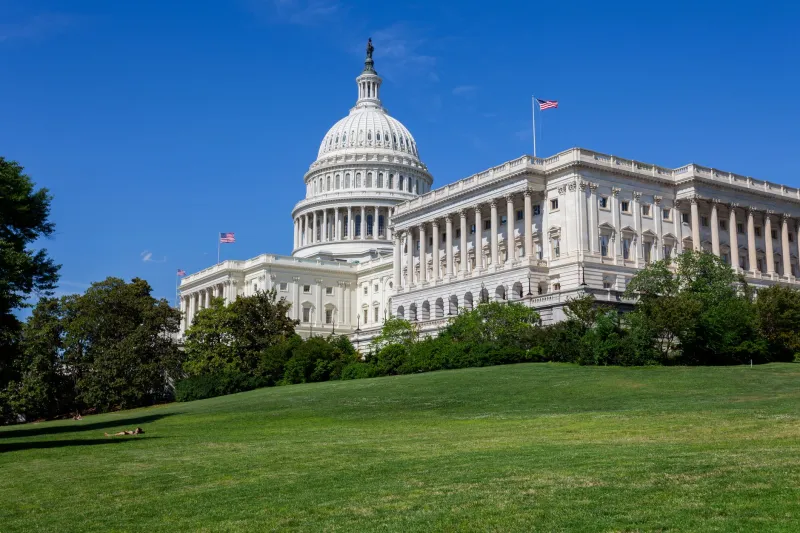
Whether Congress has the appetite to wade into veterinary scope-of-practice questions is uncertain. But the window for shaping any federal conversation is now — before the patchwork of state laws becomes so entrenched that federal harmonization feels politically impossible.
What Veterinary Professionals Must Do Right Now
The practitioners who will be most affected by telehealth legislation are, paradoxically, often the least engaged in the processes that produce it. Clinical demands leave little bandwidth for statehouse monitoring, and the technical language of regulatory dockets can be genuinely difficult to navigate without support.
But the cost of disengagement is high. Rules written without practitioner input tend to reflect the priorities of whoever showed up — and in the telehealth debate, the parties who have shown up most consistently are not always those with the deepest investment in clinical quality.
Veterinary professionals should take three concrete steps now. First, identify where their state currently stands on remote VCPR authorization — whether existing law prohibits it, permits it under certain conditions, or leaves it unaddressed. State veterinary medical associations are typically the best source for this information, and VetPAC maintains resources to help practitioners locate relevant legislative activity.
Second, determine whether active legislation in their state is moving toward floor consideration — and if so, whether the professional community has submitted formal comment or requested hearing participation. The window for substantive input is almost always narrower than practitioners expect.
Third, consider whether direct communication with state legislators — through constituent outreach, written testimony, or participation in organized advocacy days — is feasible. Legislators hear from telemedicine platform lobbyists regularly. They hear from practicing veterinarians far less often, which is precisely why a single well-prepared clinical voice can carry disproportionate weight.
The Access Imperative
Telehealth is not a cure for every structural challenge facing American veterinary medicine. Workforce shortages, student debt burdens, and the geographic maldistribution of practitioners are problems that no video platform can fully resolve.
But regulatory modernization that enables thoughtful telehealth practice has the genuine potential to extend care to communities that currently go without — and to reduce the burden on practitioners working in underserved areas who cannot possibly meet demand through in-person appointments alone.
The question is not whether telemedicine will reshape veterinary access. The question is whether the profession will help write the rules that govern that transformation, or inherit rules written by others. The answer depends entirely on whether veterinary professionals choose to engage — and whether they do so before the legislative windows close.