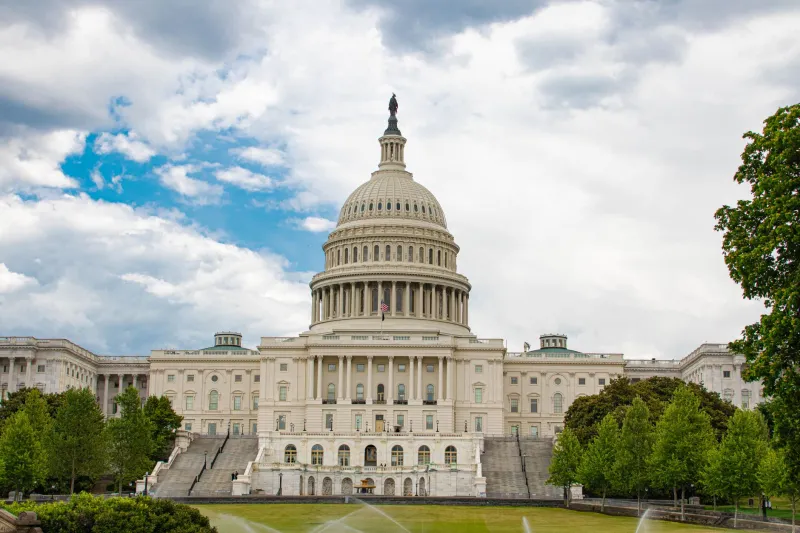
America's Veterinary Workforce Crisis Is a Public Health Emergency That Washington Refuses to Name
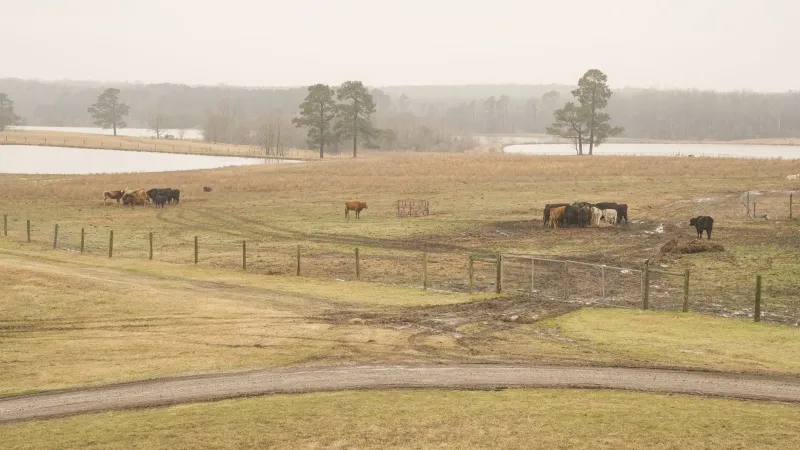
America's Veterinary Workforce Crisis Is a Public Health Emergency That Washington Refuses to Name
Somewhere in the Nebraska Sandhills, a cattle rancher is driving four hours to reach the nearest accredited veterinarian. In the Mississippi Delta, a hog producer is managing a respiratory outbreak without access to timely professional consultation. In central Appalachia, a county that once supported two large-animal practices now supports none. These are not isolated anecdotes. They are data points in a workforce collapse that has been building for decades — and that Washington has consistently declined to treat with the seriousness it demands.
The United States faces a veterinary shortage of historic proportions. The U.S. Department of Agriculture has designated more than 200 veterinarian shortage areas across the country. The American Veterinary Medical Association has projected shortfalls exceeding 15,000 veterinarians by 2030 in rural and food-animal practice sectors. The pipeline of new graduates does not resolve this gap; the economics of large-animal practice, compounded by the debt burden of veterinary education, continue to push new DVMs toward companion-animal specialties in urban and suburban markets.
This is not a workforce problem in the narrow sense. It is a public health emergency — and the federal government's response has been, relative to the scale of the crisis, remarkably muted.
The Physician Shortage Comparison Washington Does Not Want to Make
Consider how the federal government has responded to physician shortages in underserved areas. The Health Resources and Services Administration (HRSA) administers the National Health Service Corps, which has provided loan repayment and scholarship support to tens of thousands of physicians, nurse practitioners, and other health professionals willing to practice in designated shortage areas. The program carries a budget in the hundreds of millions of dollars annually. Congress has repeatedly reauthorized and expanded it, recognizing that healthcare access in rural America is a federal responsibility.
Veterinary medicine has the Veterinary Medicine Loan Repayment Program (VMLRP), administered by the USDA's National Institute of Food and Agriculture. The program is structurally sound and the intent is correct. The funding is not. In recent fiscal years, the VMLRP has served somewhere between 50 and 80 participants annually — a figure that represents a fraction of the shortage designations it is meant to address. Demand for the program routinely exceeds available awards. Qualified veterinarians who would commit to rural and food-animal practice in underserved areas apply and are turned away, not because they lack commitment but because Congress has not funded the program at a level commensurate with the need.
The disparity in federal investment between physician workforce programs and veterinary workforce programs is not defensible on public health grounds. Food safety, zoonotic disease surveillance, agricultural biosecurity, and rural economic stability all depend on an adequate supply of food-animal and large-animal veterinarians. The absence of these professionals does not merely inconvenience livestock producers — it creates gaps in the early detection infrastructure that protects the national food supply from disease outbreaks that can escalate rapidly.
Structural Barriers That Policy Has Failed to Address
The workforce crisis is not solely a funding problem, though funding is central to it. It is also a structural problem rooted in the economics of veterinary education and the realities of rural practice.
The average veterinary school graduate carries approximately $150,000 to $200,000 in educational debt. The starting salary for a rural large-animal practitioner is substantially lower than that of a companion-animal associate in a metropolitan market. The math is not complicated, and it is not a reflection of individual professional values — it is a rational response to economic incentives that current federal policy has done almost nothing to rebalance.
Federal designation criteria for veterinary shortage areas, while useful, have not been updated with the frequency or granularity needed to accurately reflect where access gaps are most acute. The designation process can lag behind on-the-ground realities by years, meaning that communities in genuine crisis may not qualify for the limited federal resources that exist.
Additionally, the veterinary workforce discussion in Washington remains siloed within agricultural policy channels, largely disconnected from public health and food security frameworks where it equally belongs. This siloing limits the coalition of lawmakers who engage on the issue and reduces the legislative urgency that broader public health framing would generate.
What Escalated Advocacy Must Demand
VetPAC's position is direct: the veterinary profession cannot wait for Washington to arrive at an adequate response on its own timeline. The advocacy community must escalate pressure through coordinated, sustained engagement — and that engagement must be anchored in specific, fundable demands.
First, Congress must substantially increase appropriations for the VMLRP. A program serving 75 practitioners per year against a shortage of thousands is not a solution; it is a symbol. Advocates should be pressing for a minimum tenfold expansion of annual awards, with a corresponding increase in NIFA's administrative capacity to manage the program.
Second, the profession should pursue formal public health designation for veterinary shortage areas through HRSA, in addition to existing USDA mechanisms. This dual-track designation would open access to a broader range of federal workforce development resources and would signal, at the statutory level, that veterinary access is a public health matter — not merely an agricultural one.
Third, veterinary professional organizations must build and maintain relationships with congressional offices beyond the agriculture committees. The HELP Committee, the Senate Finance Committee, and members with rural district constituencies all have reasons to care about this issue when it is framed in terms of food security, zoonotic disease risk, and rural community viability. Expanding the coalition of engaged lawmakers is not a luxury — it is a strategic necessity.
The Cost of Continued Inaction
Every year that federal policy underperforms on veterinary workforce development is a year in which the shortage deepens, the pipeline narrows further, and the communities most dependent on large-animal veterinary access fall further behind. The next significant livestock disease outbreak — whether avian influenza, African swine fever, or a novel pathogen — will test a surveillance and response infrastructure that is already understaffed in the regions where it is needed most.
Washington has demonstrated, through the National Health Service Corps and similar programs, that it knows how to address professional workforce shortages in underserved areas when the political will exists. The veterinary profession's task is to generate that will — through testimony, through coalition-building, through sustained constituent pressure, and through the kind of organized advocacy that VetPAC was built to support.
The crisis is not coming. It is here. The question is whether the profession will demand a response proportionate to its severity.