Caught in the Middle: Why Veterinarians Must Shape Antimicrobial Stewardship Policy Before It Shapes Them
For the better part of a decade, antimicrobial resistance has occupied a prominent position on the federal public health agenda. The science is legitimate, the concern is warranted, and the pressure on regulators to act is real. But as the FDA tightens its guidance frameworks and congressional committees begin embedding stewardship language into agricultural appropriations and farm policy legislation, a troubling pattern is emerging: the profession most directly responsible for implementing these mandates is consistently among the last to be consulted when they are drafted.
Veterinarians are not bystanders in this debate. They are, in the most operational sense, the fulcrum upon which every antimicrobial stewardship policy either functions or fails. That reality demands a more assertive posture from the veterinary profession — not opposition to stewardship principles, but insistence on a seat at the table where stewardship policy is actually constructed.
The Regulatory Terrain Is Shifting, Quickly
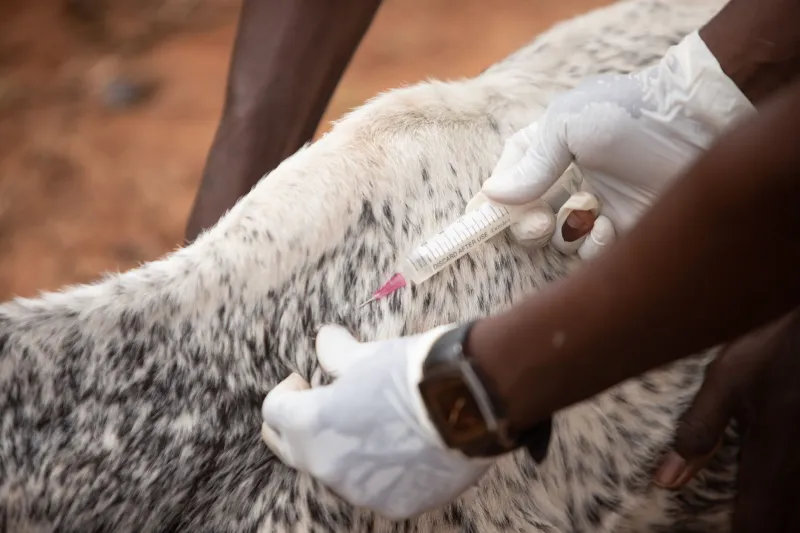
The FDA's Veterinary Feed Directive framework, which took effect in 2017, marked the first major structural shift in how medically important antimicrobials could be used in food-producing animals. That transition required veterinary authorization for drugs previously available over the counter, an enormous operational change for both practitioners and producers. Many in the profession supported the intent while raising serious concerns about implementation — concerns that proved well-founded in rural and underserved regions where veterinary access was already strained.
Now the regulatory environment is moving again. The FDA's ongoing National Antimicrobial Resistance Monitoring System reports, combined with guidance documents issued under the agency's stewardship action plan, are signaling a continued tightening of prescribing parameters. Simultaneously, proposed congressional language tied to farm bill reauthorization and public health spending bills has begun incorporating stewardship benchmarks, reporting requirements, and in some versions, prescribing restrictions that go substantially further than current FDA rules.
The trajectory is clear. What remains genuinely uncertain is whether the frameworks being constructed will reflect veterinary clinical reality or whether they will be shaped primarily by public health agencies and advocacy organizations whose expertise, however legitimate in their own domains, does not extend to the daily realities of food animal practice.
The Gap Between Public Health Goals and Agricultural Practice
The core tension in antimicrobial stewardship policy is not, as it is sometimes framed, a conflict between veterinarians who want to use antibiotics freely and public health officials who want to protect human medicine. That framing is both inaccurate and counterproductive. The vast majority of veterinary practitioners understand and support the principles of responsible antimicrobial use. The disagreement is almost entirely about implementation — about whether the frameworks being proposed are clinically workable, geographically equitable, and economically viable for the producers who depend on them.
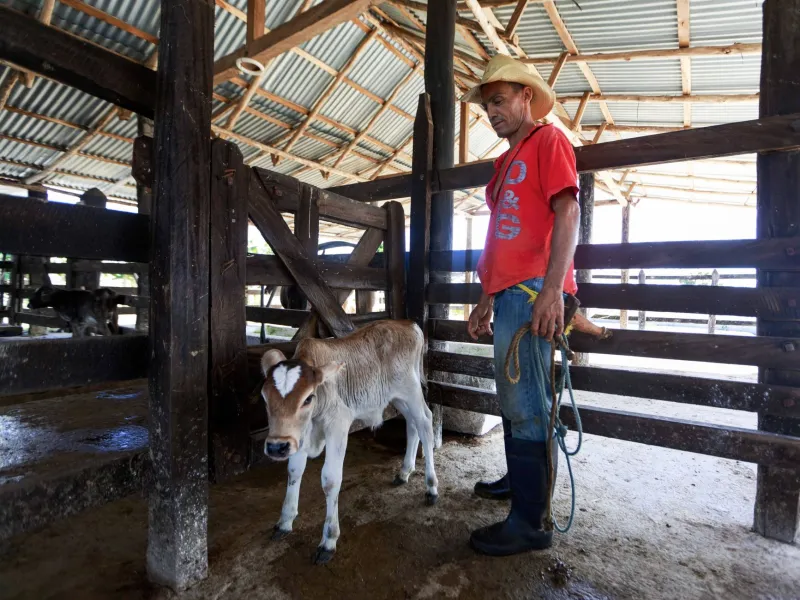
Consider the veterinarian-client-patient relationship requirements that underpin prescribing authority. In densely populated states with robust veterinary infrastructure, these requirements are operationally manageable. In large swaths of the rural Midwest, the Great Plains, and the Mountain West, where a single large animal practitioner may serve hundreds of thousands of acres of working agricultural land, the same requirements can create genuine access voids. A stewardship mandate that functions as sound policy in suburban Pennsylvania can translate into a prescription that simply never gets written in eastern Montana — not because the animal doesn't need treatment, but because no licensed practitioner is physically available to authorize it within a clinically relevant timeframe.
This is not a hypothetical concern. It is a documented consequence of the 2017 VFD transition, and it is a predictable outcome of any further tightening of prescribing requirements that does not simultaneously address the underlying veterinary workforce and access infrastructure.
What Livestock Producers Stand to Lose
The stakes for agricultural producers are substantial and deserve explicit acknowledgment in any honest policy discussion. Antimicrobials are not used in food animal production casually or arbitrarily. They are clinical tools, employed by producers and veterinarians to manage disease in animals that are, by the nature of their production environments, exposed to pathogen pressures that companion animal practitioners rarely encounter at comparable scale.
Restrictions that delay or prevent timely treatment have direct consequences: animal welfare outcomes that no responsible producer or practitioner finds acceptable, economic losses that can threaten the viability of operations that already operate on razor-thin margins, and in some disease scenarios, biosecurity implications that extend well beyond a single farm. Stewardship policy that does not account for these realities is not actually good stewardship policy — it is policy that substitutes the appearance of action for the substance of it.
The veterinary profession has both the standing and the obligation to make this case clearly and persistently in regulatory and legislative forums. Producers cannot make it as effectively. Their credibility on antimicrobial issues is, fairly or not, complicated by the perception of economic self-interest. Veterinarians, as licensed health professionals with legal and ethical obligations to animal welfare, carry a different kind of authority in these conversations — and they should be using it.
The Window for Influence Is Narrowing
Farm bill reauthorization cycles do not wait for professions to find their footing. FDA guidance documents move through comment periods on regulatory timelines, not on the schedule of a busy mixed-practice veterinarian trying to manage a full caseload. The policy windows that determine how stewardship requirements are structured, what exemptions or flexibilities are built in, and how enforcement mechanisms are designed are open for finite periods. Once those windows close, the rules that emerge tend to persist for years or decades.
VetPAC's advocacy work is premised on a straightforward conviction: the veterinary profession is most effectively served when it engages policy processes proactively rather than reactively. On antimicrobial stewardship, the profession has, at various moments, engaged thoughtfully and effectively. But the current regulatory and legislative environment demands a more sustained and coordinated presence than the profession has consistently maintained.
This means submitting detailed, technically grounded comments during FDA rulemaking processes. It means building relationships with the congressional staff members who draft the agricultural and public health provisions where stewardship language increasingly appears. It means ensuring that the veterinarians who understand large animal practice, rural access constraints, and the clinical realities of food animal medicine are visible and accessible to policymakers who otherwise hear primarily from public health agencies and advocacy organizations.
Stewardship That Actually Works
The goal is not to resist antimicrobial stewardship. The goal is to ensure that stewardship frameworks are built on accurate clinical and operational premises, that they account for geographic and workforce realities, and that they include the veterinary profession as a genuine partner rather than treating practitioners as a compliance variable to be managed.
Good stewardship policy and workable veterinary practice are not in conflict. But achieving both requires veterinarians to be present, persistent, and technically credible in the policy conversations where the balance between them is determined. The prescription that never gets written is not just a problem for producers and animals — it is a failure of policy design. The profession has both the knowledge and the responsibility to prevent that failure from becoming the default outcome.